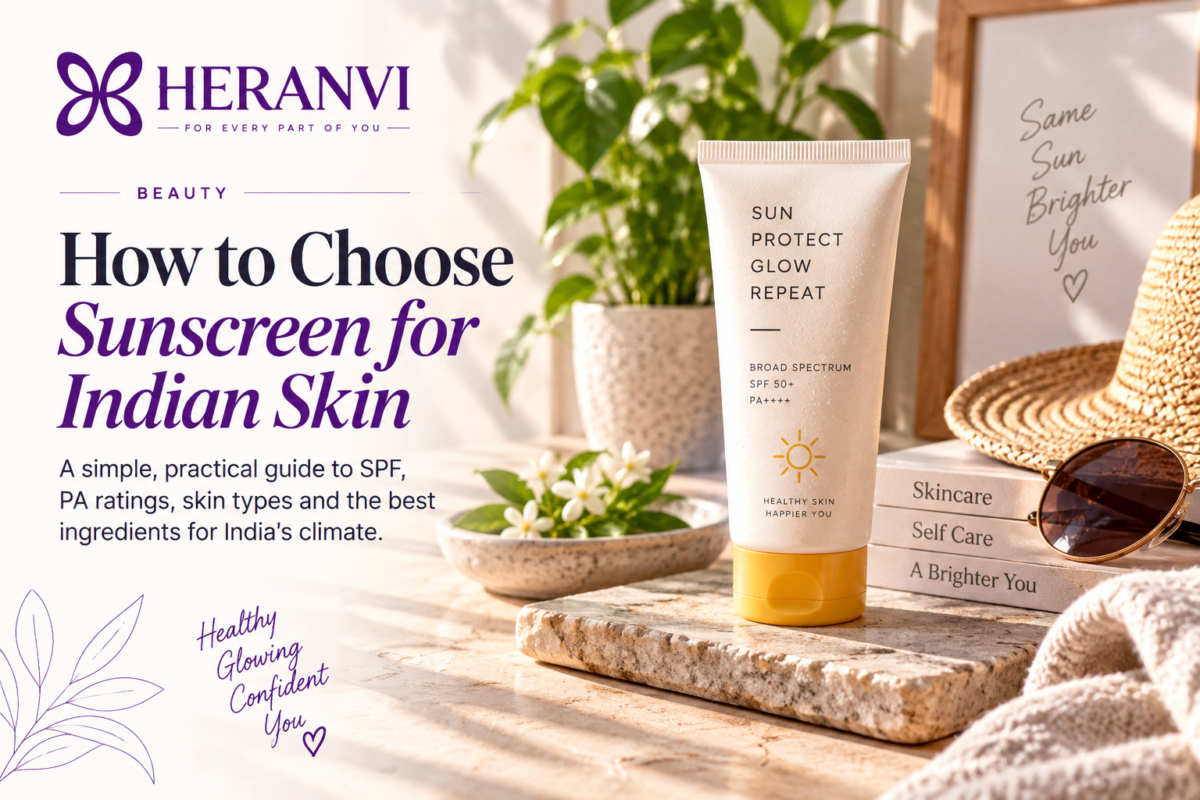
Choosing sunscreen for Indian skin can quickly become confusing: SPF 30 or SPF 50? Mineral or hybrid? Matte or moisturizing? Tinted or invisible?
A useful starting point is simpler than it seems. Look for reliable UV protection first, then choose a formulation that suits your skin, routine and the conditions in which you’ll actually wear it.
For Indian consumers, comfort matters too. Heat, humidity, sweating, pigmentation concerns and different skin types can all influence whether a sunscreen becomes part of your everyday routine.
How to Choose Sunscreen Protection
Look for a sunscreen that provides broad-spectrum UVA and UVB protection and an SPF of at least 30.
SPF mainly describes protection against UVB, so the SPF number shouldn’t be the only thing you consider. UVA protection matters as well, particularly when thinking about longer-term sun damage and pigmentation.
If you’re likely to sweat, exercise outdoors or spend time around water, look for a product that is specifically labelled water resistant.
Think about your skin type
There isn’t one sunscreen texture that works perfectly for everyone.
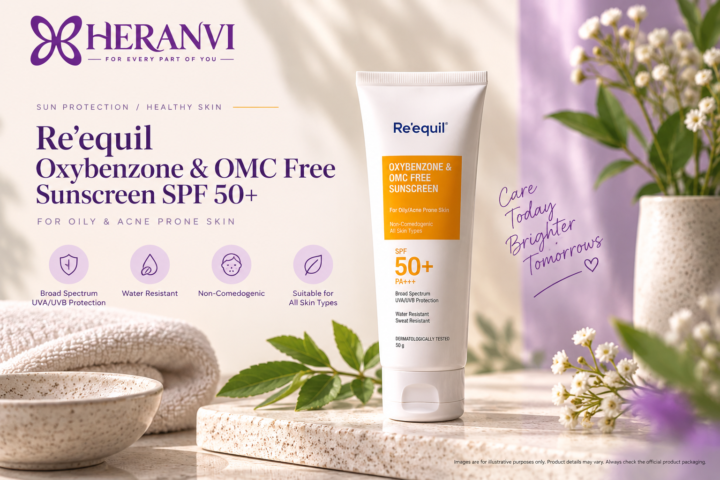
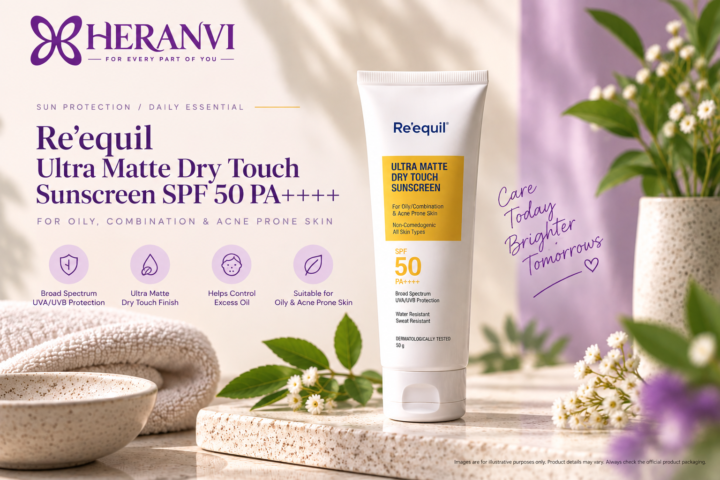
Oily or acne-prone skin: A lighter texture may feel more comfortable. Look for products labelled non-comedogenic or designed not to clog pores.
Dry skin: Creamier or moisturizing sunscreen formats may be more comfortable for everyday use.
Sensitive skin: Ingredient preferences and individual tolerability become particularly important. Mineral sunscreens based on zinc oxide or titanium dioxide are one option some people may prefer.
Your experience with a sunscreen matters. A technically impressive product isn’t very useful if its texture, finish or irritation makes you avoid wearing it consistently.
Mineral, chemical or hybrid?
These terms describe the UV filters used in the formulation.
Mineral sunscreens use filters such as zinc oxide or titanium dioxide.
Chemical sunscreens use other approved UV filters.
Hybrid sunscreens combine filter types.
Rather than assuming one category is automatically best for everyone, consider the complete formulation, protection offered, how it feels on your skin and whether you’re comfortable using it regularly.
What about white cast?
Visible residue can make some sunscreens less appealing, particularly on deeper skin tones.
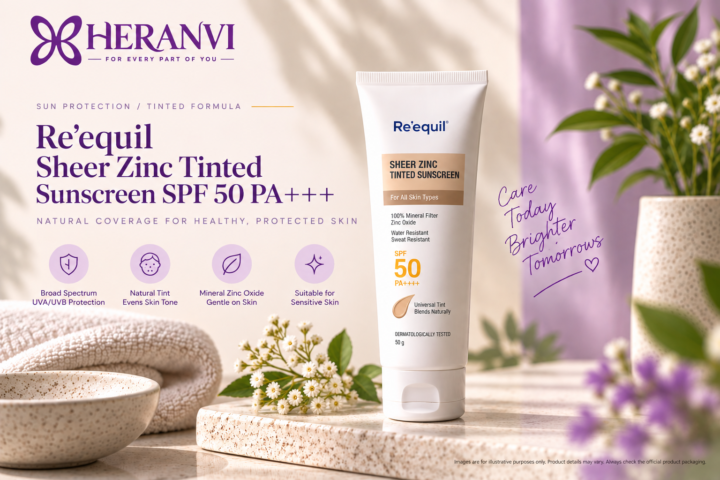
Tinted sunscreens can help reduce the appearance of white cast. The tint itself still needs to work with your skin tone, however, so “tinted” doesn’t automatically mean universally invisible.
This is one reason cosmetic finish deserves consideration alongside the protection specifications.
PA ratings matter too
On many sunscreens sold in India you’ll see ratings such as PA+++ and PA++++ alongside the SPF.
SPF and UVA protection aren’t interchangeable. A high SPF number by itself doesn’t tell the entire story of a sunscreen’s protection profile.
When comparing products, consider both the SPF and the product’s stated UVA/broad-spectrum protection rather than selecting solely by whichever bottle has the largest SPF number.
Don’t forget how you use it
Regular sunscreen use is an important part of sun protection, but choosing a sunscreen is only part of the equation.
Apply sunscreen adequately to exposed skin and reapply according to the product directions, particularly after swimming or heavy sweating. Sunscreen should also complement other protection such as shade, protective clothing, hats and sunglasses rather than being treated as the only defence against sun exposure.
How Heranvi evaluates sunscreen
Heranvi looks beyond marketing claims.
Our editorial assessment considers published product information, ingredient information, independent guidance and relevant research. We also separate manufacturer claims from independent evidence.
Unless explicitly labelled otherwise, a Heranvi recommendation does not mean that we have laboratory-tested or personally tested the product.
We also keep commercial relationships separate from editorial recommendation decisions.
The practical takeaway
Start with adequate UVA and UVB protection. Then narrow the options according to your skin type, preferred finish, water-resistance needs, ingredient preferences and budget.
The sunscreen you’re comfortable applying consistently is generally more useful than a theoretically perfect product that stays unused on your shelf.